광양향교
| 광양향교 Gwangyanghyanggyo Local Confucian School |
|
|
|
|
|
광양향교, 국가유산포털, 국가유산청. |
|
| 대표명칭 | 광양향교 |
|---|---|
| 영문명칭 | Gwangyanghyanggyo Local Confucian School |
| 한자 | 光陽鄕校 |
| 주소 | 전라남도 광양시 향교길 67 |
| 지정(등록) 종목 | 전라남도 유형문화유산 |
| 지정(등록)일 | 1985년 2월 25일 |
| 분류 | 유적건조물/교육문화/교육기관/향교 |
| 소유자 | 광양향교 |
| 관리자 | 광양향교 |
| 시대 | 조선시대 |
| 수량/면적 | 일곽 |
| 웹사이트 | 광양향교, 국가유산포털, 국가유산청. |
|
|
|
목차
해설문
국문
2021
향교는 고려시대와 조선시대 지방에서 유학을 교육하기 위하여 설립한 국립교육기관이다. 덕행과 학문의 모범을 보인 성현에게 제사를 올리며, 유교의 경전과 역사, 시나 문장을 짓는 법을 가르쳤다.
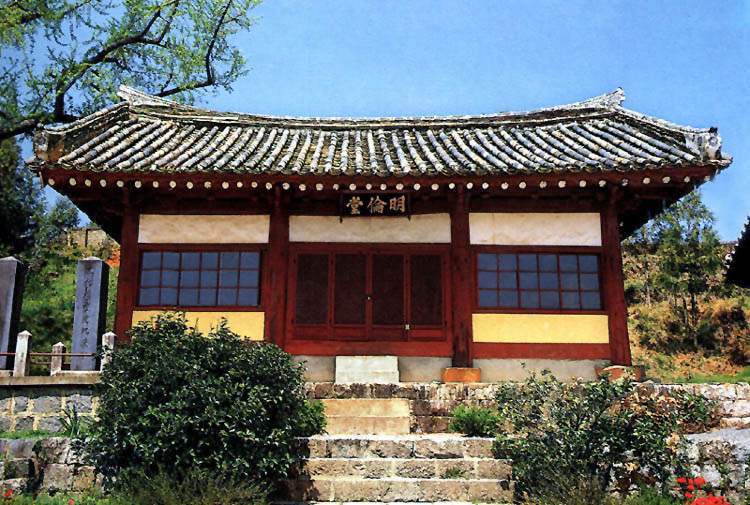
광양향교는 조선 태조 5년(1396)과 태조 6년(1397) 사이에 창건된 것으로 추정되며, 이후 전쟁과 화재 등으로 인해 소실과 재건이 반복되었다. 광해군 5년(1613) 현감과 광양 선비들이 주도하여 대성전을 중건했고, 정조 8년(1784) 현감 우정규(禹禎圭)와 함께 중건을 계획한 바 있다. 이후 1966년에 풍화루(風化樓)를 석주(石柱)로 대체하여 중건하는 등 대대적인 보수를 진행하였고, 1971년에 명륜당을 중건하고 동재(東齋)와 서재(西齋)를 보수했으며 풍화루 및 대성전의 단청을 새로 입혔다.
광양향교의 부속 건물로는 대성전(大成殿), 명륜당(明倫堂), 풍화루, 동재, 서재, 상재(上齋), 덕성재, 제기고, 창고 등이 있다. 향교는 대성전과 명륜당이 앞뒤로 배치되는 전학후묘(前學後廟)의 방식이 일반적인데, 광양향교는 대성전을 명륜당의 왼쪽에 두고 있는 것이 특징이다. 대성전에는 유교를 대표하는 중국의 다섯 성인과 네 현인, 우리나라의 18현(賢)의 위패가 모셔져 있다.
2025
향교는 고려와 조선 시대에 지방에서 유학을 가르치기 위해 세운 국립 교육 기관이다. 덕행과 학문이 뛰어난 성현에게 제사를 지내고, 유교 경전과 역사, 시나 문장을 짓는 법 등을 가르쳤다.
광양향교는 조선 태조 5년(1396)에서 6년(1397) 사이에 처음 세워진 것으로 전해지나, 전쟁과 화재로 인해 여러 차례 소실과 재건을 반복해 왔다. 광해군 5년(1613)에 당시 현감과 지역 유생들이 대성전을 다시 세웠고, 정조 8년(1784)에는 현감 우정규의 주도로 중건이 이루어졌다. 이후 1966년에 풍화루를 돌기둥으로 바꾸어 고쳐 지었고, 1971년에는 명륜당을 중건하고 동재와 서재를 보수했으며 풍화루와 대성전의 단청도 새로 입혔다.
광양향교에는 대성전, 명륜당, 풍화루, 동재, 서재, 상재, 재실, 신문, 창고 등이 있다. 일반적으로 향교는 명륜당 앞에 대성전이 놓이는 전학후묘(前學後廟) 형식이지만, 광양향교는 대성전이 명륜당의 왼쪽에 배치되어 있다는 점이 특징이다. 대성전에는 유교를 대표하는 중국의 오성(五聖)과 사현(四賢), 그리고 우리나라 십팔현(十八賢)의 위패가 모셔져 있다.
영문
- Gwangyanghyanggyo Local Confucian School
2021
A local Confucian school, called hyanggyo in Korean, was a public education institution of the Goryeo (918-1392) and Joseon (1392-1910) periods. It was established nationwide to function as a local shrine for Confucius and other sages and to promote Confucian education and nurture elites in local districts. Students learned about literature including poetry composition, Confucian Classics, and history.
Gwangyanghyanggyo Local Confucian School is presumed to have been established between 1396 and 1397. It was destroyed and reconstructed several times due to war and fire. The school’s shrine was reconstructed once in 1613 by the magistrate of Gwangyang and local scholars and again in 1784. In 1966, the main gate pavilion’s wooden pillars were replaced with stone pillars. In 1971, the lecture hall and dormitories were renovated, at which time the main gate pavilion and shrine were also repainted.
Typically, the lecture area of a local Confucian school is situated in front of its ritual area. However, at this local Confucian school, the ritual area is located behind the lecture area. The lecture area consists of the main gate pavilion named Punghwaru, the lecture hall named Myeongnyundang, two dormitories, and other auxiliary buildings. To the left of the lecture area, there is a custodian’s office, a ritual house, and a storehouse for ritual vessels. The ritual area consists of an inner gate, a side gate, and the shrine named Daeseongjeon. In the shrine are the spirit tablets of 27 Confucian sages.
2025
A local Confucian school, called hyanggyo in Korean, is a public education institution of the Goryeo (918-1392) and Joseon (1392-1910) periods. Such schools were established in jurisdictions across the country to serve as a local shrine for Confucius and to promote Confucian education, including poetry composition, Confucian Classics, and history.
Gwangyanghyanggyo Local Confucian School is said to have been founded between 1396 and 1397, but was destroyed and reconstructed several times due to war and fire. The school’s shrine was rebuilt by the local magistrate and the local Confucian community in 1613 and again under the supervision of the local magistrate U Jeong-gyu in 1784. In 1966, the pillars of the main gate pavilion were changed from wood to stone. In 1971, the lecture hall and dormitories were renovated and the main gate pavilion and shrine were also repainted.
Typically, the ritual area of a local Confucian school is situated behind the lecture area. However, at this local Confucian school, the ritual area is located to the left of the lecture area. The main shrine holds the spirit tablets of 27 Confucian sages, namely the five sages and four eminent scholars of China and 18 eminent scholars of Korea.
영문 해설 내용
2021
향교는 고려시대와 조선시대 지방에서 유학을 교육하기 위하여 설립된 국립교육기관이다. 덕행과 학문의 모범을 보인 성현에게 제사를 올리며, 유교의 경전과 역사, 시나 문장을 짓는 법을 가르쳤다.
광양향교는 1396년과 1397년 사이에 창건된 것으로 추정되며, 이후 전쟁과 화재 등으로 인해 소실과 재건이 반복되었다. 1613년과 광양 현감과 선비들이 주도하여 대성전을 중건했고, 1784년에도 중건이 이루어졌다. 1966년에는 정문인 풍화루의 기둥을 돌기둥으로 대체하였고, 1971년에 명륜당을 중건하고 동재와 서재를 보수했으며, 풍화루 및 대성전의 단청을 새로 입혔다.
일반적으로 향교는 강학공간과 제향공간이 앞뒤로 배치되는 구조로 이루어진다. 그러나 광양향교에서는 제향공간이 강학공간의 왼쪽 뒤편에 배치되어 있다. 강학공간은 풍화루, 동서재, 강당인 명륜당, 부속건물로 이루어져 있고, 강학공간 왼쪽에는 관리사, 재실, 제기고가 있다. 제향공간은 내삼문, 측문, 사당인 대성전으로 이루어져 있다. 대성전에는 유교 성현 27인의 위패가 모셔져 있다.
2025
향교는 고려와 조선 시대에 지방에서 유학을 가르치기 위해 세운 국립 교육 기관이다. 덕행과 학문이 뛰어난 성현에게 제사를 지내고, 유교 경전과 역사, 시나 문장을 짓는 법 등을 가르쳤다.
광양향교는 1396과 1397년 사이에 처음 세워진 것으로 전해지며, 전쟁과 화재로 인해 여러 차례 소실과 재건을 반복해 왔다. 1613년에 당시 현감과 지역 유생들이 대성전을 다시 세웠고, 1784년에는 현감 우정규의 주도로 중건이 이루어졌다. 이후 1966년에 정문인 풍화루의 기둥을 돌기둥으로 바꾸었고, 1971년에는 명륜당을 중건하고 동재와 서재를 보수했으며 풍화루와 대성전의 단청도 새로 입혔다.
일반적으로 향교의 제향공간은 강학공간 뒤에 놓이는데, 광양향교에서는 제향공간이 강학공간의 왼쪽에 배치되어 있다. 대성전에는 중국의 오성(五聖)과 사현(四賢), 한국의 십팔현(十八賢) 등 27인의 위패가 모셔져 있다.
참고자료
- 광양향교(光陽鄕校), 한국민족문화대백과사전, 한국학중앙연구원. https://terms.naver.com/entry.naver?docId=524280&cid=46615&categoryId=46615
- 광양향교(光陽鄕校), 두산백과. https://terms.naver.com/entry.naver?docId=1196964&cid=40942&categoryId=39201
- 광양향교(光陽鄕校), 대한민국 구석구석. https://terms.naver.com/entry.naver?docId=2030495&cid=42856&categoryId=42856
- 대전회통. https://www.krpia.co.kr/viewer?plctId=PLCT00004504&tabNodeId=NODE03824470#trans_footnotedetail1434

