순천 선암사 대웅전
| 순천 선암사 대웅전 Daeungjeon Hall of Seonamsa Temple, Suncheon |
|
|
|
|
|
한국 기록유산 Encyves, 한국학중앙연구원 디지털인문학연구소. |
|
| 대표명칭 | 순천 선암사 대웅전 |
|---|---|
| 영문명칭 | Daeungjeon Hall of Seonamsa Temple, Suncheon |
| 한자 | 順天 仙巖寺 大雄殿 |
| 주소 | 전라남도 순천시 승주읍 선암사길 450 |
| 지정(등록) 종목 | 보물 |
| 지정(등록)일 | 2001년 6월 8일 |
| 분류 | 유적건조물/종교신앙/불교/불전 |
| 시대 | 조선시대 |
| 수량/면적 | 1동 |
| 웹사이트 | 순천 선암사 대웅전, 국가유산포털, 국가유산청. |
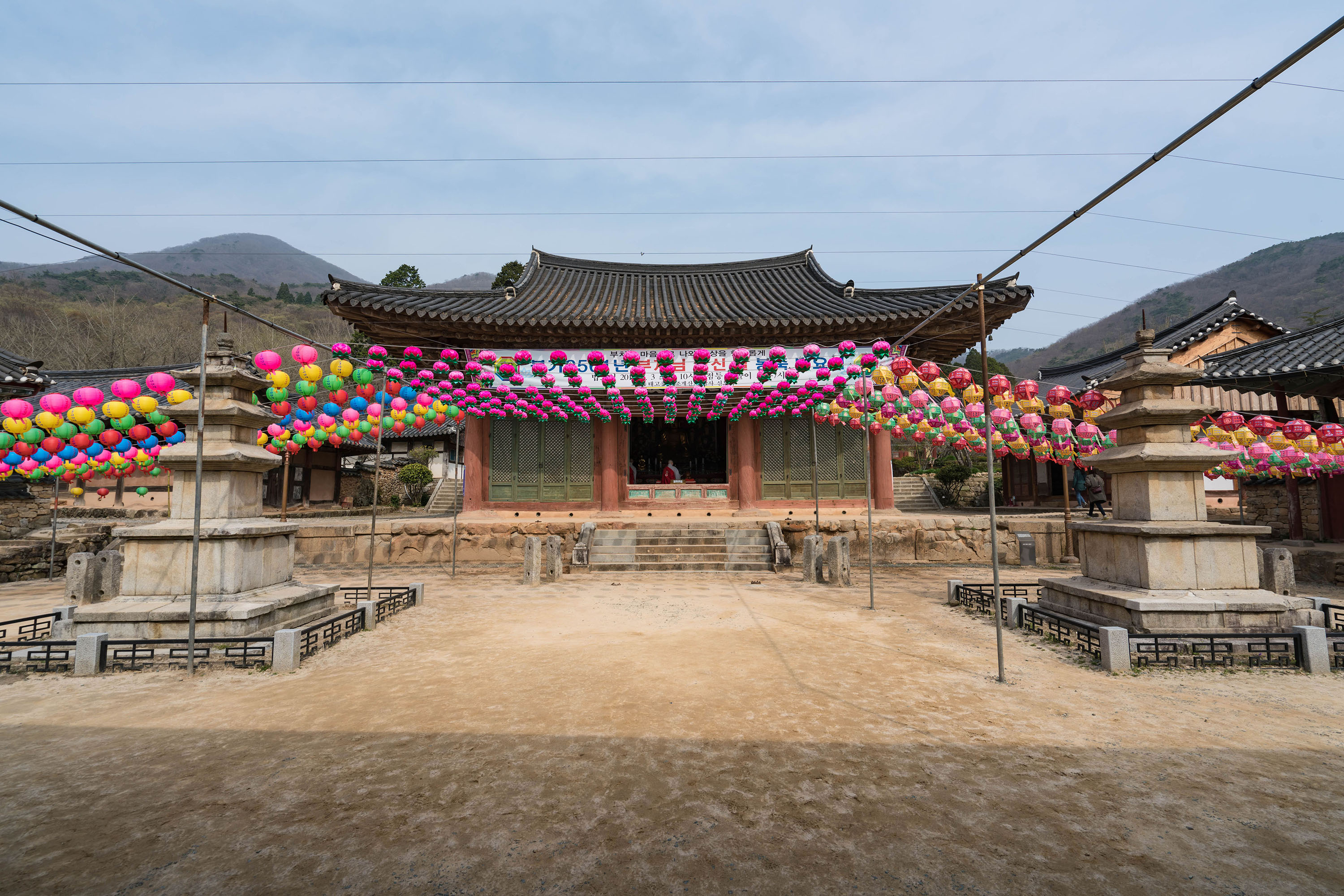
해설문
국문
대웅전은 석가모니를 주존불로 모신 건물이다. 정유재란 때 불탄 것을 현종 1년(1660)에 경잠(敬岑) 등이 중창하였고, 영조 42년(1766)에 또 소실되어 순조 24년(1824)에 고쳐 지었다는 내용이 상량문*에 기록되어 있다.
선암사 중창건도기에 따르면 대웅전은 본래 2층이었으며, 도선국사가 미륵전으로 조성하였다고 한다. 건물은 정면 3칸, 측면 3칸 규모의 겹처마 팔작지붕** 구조이며, 조선 후기의 건축양식을 보여준다.
건물 내부의 정중앙 불단 위에 석가모니 부처님을 모시고, 부처님 뒤쪽에 후불탱화를 걸었다. 내부의 목재에는 연꽃 봉오리 문양을 화려하게 장식하였으며, 단청은 1824년 중창 당시의 모습을 그대로 유지하고 있다.
- 상량문: 건물을 새로 짓거나 고친 내력을 적어 둔 문서
- 팔작지붕: 옆에서 볼 때, 여덟 ‘八’자 모양을 한 지붕
영문
Daeungjeon Hall of Seonamsa Temple, Suncheon
Daeungjeon Hall, the main worship hall of Seonamsa Temple, enshrines a gilded statue and hanging scroll painting of Sakyamuni Buddha, the historical buddha who lived in ancient India. The current building was constructed in 1824, after having previously been destroyed in the Japanese invasions of 1592-1598, rebuilt in 1660, and lost again in a fire in 1766.
The building measures three bays in both width and depth and features a hip-and-gable roof with two-tier eaves. The roof is supported by intricate wooden brackets installed atop not only the pillars but also the lintels. The interior structural elements are decoratively finished with carvings of dragon heads and lotus buds. Notably, the hall’s decorative paintwork is preserved in its original state from 1824, while the building’s name plaque was calligraphed by Kim Jo-sun (1765-1832), the father-in-law of King Sunjo (r. 1800-1834) of the Joseon dynasty (1392-1910). Overall, the building demonstrates the stately and ornate architectural elements typical of the late Joseon period.
영문 해설 내용
선암사의 주불전인 대웅전은 석가모니를 주존불로 모시고 후불탱화를 걸었다. 지금의 대웅전 건물은 1824년에 다시 지은 것이다. 처음 지어진 대웅전은 임진왜란 때 소실되었고, 1660년에 다시 세운 건물도 1766년 화재로 다시 소실되었다.
이 건물은 정면 3칸, 측면 3칸 규모의 겹처마 팔작지붕 구조이다. 지붕의 무게를 받치는 공포가 기둥 위와 기둥 사이에 설치되어 있다. 건물 안쪽에는 화려한 용머리와 연꽃 봉오리 조각으로 장식하였다. 특히 단청은 1824년 중창 당시의 모습을 그대로 유지하고 있으며, 현판의 글씨는 조선 순조(재위 1800-1834)의 장인인 김조순(1765-1832)이 썼다. 전체적으로 화려한 건축 양식과 장식에서 조선 후기의 건축 특징을 볼 수 있다.

