
순천 선암사
| 순천 선암사 Seonamsa Temple, Suncheon |
|
|
|
|
|
순천 선암사, 국가유산포털, 국가유산청. |
|
| 대표명칭 | 순천 선암사 |
|---|---|
| 영문명칭 | Seonamsa Temple, Suncheon |
| 한자 | 順天 仙巖寺 |
| 주소 | 전라남도 순천시 승주읍 선암사길 450, 등 (죽학리) |
| 지정(등록) 종목 | 사적 |
| 지정(등록)일 | 2009년 12월 21일 |
| 분류 | 유적건조물/종교신앙/불교/사찰 |
| 소유자 | 선암사 |
| 관리자 | 선암사 |
| 수량/면적 | 28,933㎡ |
| 웹사이트 | 순천 선암사, 국가유산포털, 국가유산청. |
해설문
국문
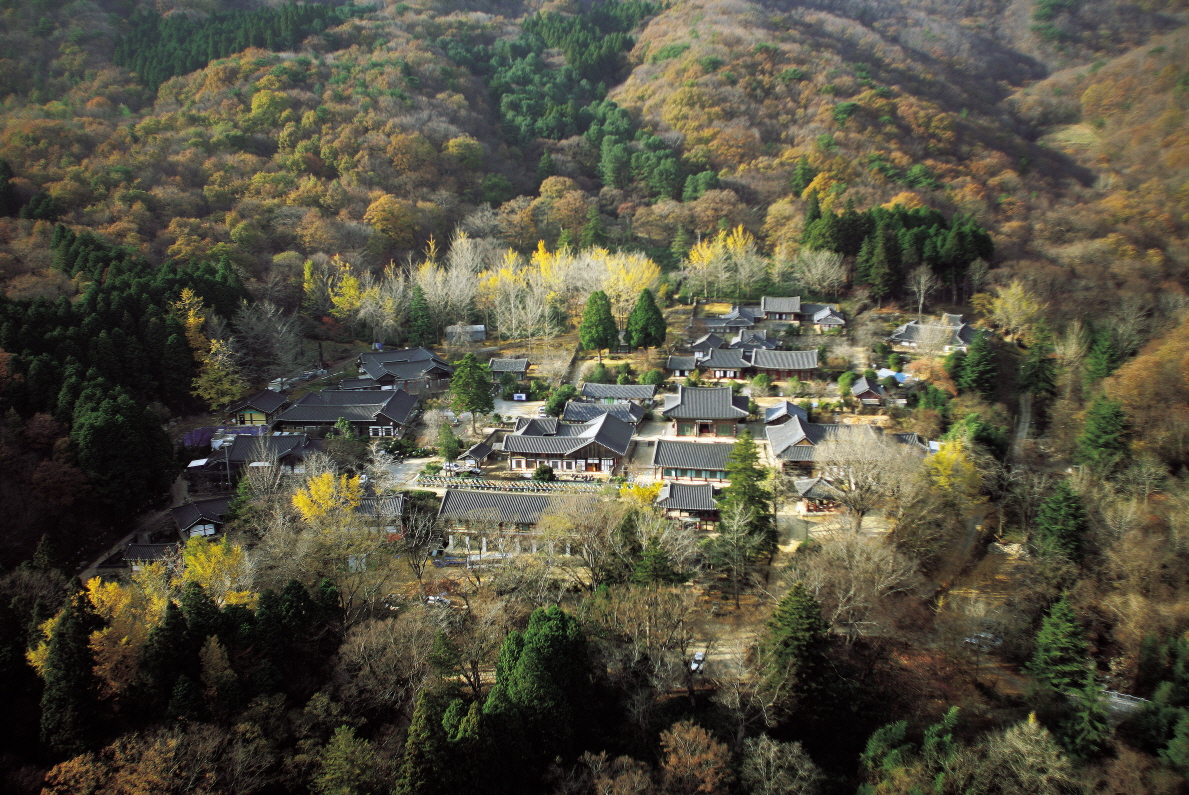
선암사는 한국불교태고종 총본산으로 고려시대 이후 조계산의 대표적 사찰이다. 신라 법흥왕 때 아도화상(阿道和尙)이 창건했다는 설과 통일신라 후기 도선국사(道詵國師)가 창건했다는 설이 있다. 비로암은 원래 아도화상이 처음 세운 해천사(海川寺)였다고 전해지며, 도선국사가 비보사찰(裨補寺刹)로 선암사를 창건하여 철불 1기, 석탑 2기, 승탑 3기를 만들었다고 한다.
고려 선종 11년(1094)에는 대각국사(大覺國師) 의천(義天) 스님이 조계산 선암사로 개칭하고 사찰을 크게 중창하였다. 「대각국사 중창건도기」에 따르면 법당 13채, 전각 12채, 요사채 26채, 산내 암자 19곳이 있었다고 한다.
정유재란 때 왜군에 의해 소실된 이후 현종 1년(1660)에 경잠(敬岑)·경준(敬俊)·문정(文正) 스님이 다시 세우고, 호암당 약휴(若休) 스님이 승선교를 비롯해 여러 전각과 불상, 불화 등을 조성하였다.
1707년에 세워진 「조계산 선암사 중수비」에는 상주 승려 250명, 법당 8채, 전사 12채, 요사채 16채, 산내 암자 13곳이 있었다고 기록되어 있다.
1759년과 1823년에 발생한 화재로 많은 건물들이 피해를 입었으나, 해붕(海鵬)·눌암(訥庵)·익종(益宗)이 복원하여 현재의 모습을 갖추게 되었다.
일제강점기에는 31본산 중 하나로 지정되었으며, 1901년에는 보통학교와 전문학교를 건립하여 교육 발전에도 기여하였다.
천 년 역사를 간직한 선암사 경내와 성보박물관 등에 다양한 국가유산이 보존되어 있으며, 사찰 뒤편에는 600년이 넘은 야생 차밭이 자리하고 있다.
선암사는 2009년에 국가 사적으로 지정되었으며, 2018년에는 통도사, 부석사, 봉정사, 법주사, 마곡사, 대흥사와 함께 ‘산사, 한국의 산지 승원’으로 유네스코 세계문화유산에 등재되었다.
- 학교 건립한 시기 확인 필요. 선암사 홈페이지의 연혁과 다른 자료에는 1906년으로 언급함.
- http://www.seonamsa.net/sub/about/history.php
- 승선·보명학교, 디지털순천문화대전, 한국학중앙연구원. http://aks.ai/GC07601070
영문
Seonamsa Temple, Suncheon
Seonamsa Temple is one of Korea's renowned traditional mountain monasteries. Nestled deep within Jogyesan Mountain in Suncheon, this Buddhist temple serves as the headquarters of the Taego Order of Korean Buddhism. The large complex is home to dozens of historic structures and artifacts, with a long history spanning the Three Kingdoms (57 BCE-668 CE), Unified Silla (676-935), Goryeo (918-1392), Joseon (1392-1910), Japanese colonial (1910-1945), and contemporary periods. The name Seonamsa, meaning "Temple of the Immortal's Rock," refers to a large, flat outcrop to the west of the temple where it is believed that Taoist immortals enjoyed playing baduk (Go).
The temple is said to have been founded either by Monk Ado in the 6th century or by State Preceptor Doseon (827-898) in the 9th century. It is thought Monk Ado likely founded Biroam Hermitage, now an affiliate hermitage of Seonamsa Temple, while State Preceptor Doseon founded the current Seonamsa Temple itself. The temple underwent a large-scale expansion in 1094 under the supervision of State Preceptor Daegak, growing in size to include 13 worship halls, 12 pavilions, 26 monks’ quarters, and 19 hermitages. However, the complex was completely destroyed in the Japanese invasions of 1592-1598. Having been rebuilt by the monks Gyeongjam, Gyeongjun, and Munjeong in 1660 and further expanded by Monk Yakhyu at the turn of the 18th century, the temple came to comprise eight worship halls, 12 pavilions, 16 monks’ quarters, and 13 hermitages, housing some 250 resident monks. However, many of these buildings were later rebuilt due to fires suffered in 1759 and 1823. In 1906, the Seungseon School was established at the temple to provide elementary education to the local residents. When the Japanese colonial government established Buddhist districts across the country, Seonamsa was designated as the main temple of its district.
Seonamsa Temple is home to many officially designated cultural heritages, including 15 Treasures, one National Folklore Cultural Heritage, six Jeollanam-do Tangible Cultural Heritages, one Jeollanam-do Monument, and three Jeollanam-do Cultural Heritage Materials. These comprise wooden structures, including five worship halls, a gate, and an outhouse, stone structures, including three stupas, a pair of pagodas, a stele, a bridge, an artificial pond, and a rock-carved buddha, and various artifacts, including five Buddhist paintings, two bronze bells, one set of reliquaries, one set of monk's clothes, one gilt-bronze incense burner, and one gilt-bronze seated buddha statue. The temple premises also boast natural heritages, such as the temple's famous plum trees (Natural Monument), as well as a 600-year old wild tea tree field. In addition, the temple itself is designated individually as a Historic Site, jointly as a Scenic Site together with the nearby Songgwangsa Temple, and collectively as a UNESCO World Heritage together with the temples Tongdosa, Buseoksa, Bongjeongsa, Beobjusa, Magoksa, and Daeheungsa under the name "Sansa, Buddhist Mountain Monasteries in Korea." These numerous designations attest to the immense cultural, natural, spiritual, and academic value of Seonamsa Temple and its historic legacy.
영문 해설 내용
조계산에 위치한 선암사는 한국불교 태고종의 총본산이다. “신선 바위의 사찰”이라는 뜻을 지닌 선암사라는 이름은 절 주변에 있는 큰 바위에서 유래하였다.
선암사는 신라 때인 6세기에 아도화상이 창건했다는 설과 9세기에 도선(827-898)이 창건했다는 설이 있다. 전하는 이야기에 따르면, 선암사의 암자인 비로암은 원래 아도화상이 세운 사찰이었다고 하며, 이후 도선국사가 선암사를 창건하며 철불 1기, 석탑 2기, 승탑 3기를 만들었다고 한다. 고려시대인 1094년에는 대각국사 의천(1055-1101)이 선암사를 크게 중창하였다. 당시 선암사에는 법당 13채, 전각 12채, 요사채 26채, 산내 암자 19곳이 있었다고 한다. 그러나 조선시대 들어 임진재란 때 선암사는 모두 소실되었고, 1660년에 경잠, 경준, 문정 스님이 다시 세웠다. 이후 약휴가 승선교를 비롯해 여러 전각, 불상, 불화 등을 조성하며 대대적으로 사찰을 확장했고, 이때 이루어진 불사의 내용을 기록한 중수비가 1707년에 세워졌다. 중수비의 비문에는 당시 선암사에 상주 승려 250명, 법당 8채, 전사 12채, 요사채 16채, 산내 암자 13곳이 있었다고 기록되어 있다. 1759년과 1823년 등 여러 차례 화재가 발생하여 많은 건물들이 피해를 입었다가 다시 중수하였다.
일제강점기인 1906년에는 사찰 안에 초등 교육기관인 승선학교를 세워 교육 발전에도 기여하였다. 1911년 조선총독부는 한국의 사찰들을 31개 구역으로 구분하여 전국의 사찰과 승려들을 관리 감독하기 위한 체제를 마련하였다. 이때 구역별로 중요한 사찰을 본산으로 지정하였는데, 선암사도 31본산 중 하나였다.
선암사는 2009년에 사적으로 지정되었으며, 조계산을 사이에 두고 있는 송광사와 선암사 일원이 같은해 명승으로 지정되었다. 2018년에는 양산 통도사, 영주 부석사, 안동 봉정사, 보은 법주사, 공주 마곡사, 해남 대흥사와 함께 ‘산사, 한국의 산지 승원(Sansa, Buddist Mountain Monasteries in Korea)’으로 유네스코 세계문화유산에 등재되었다. 이밖에도 선암사 경내와 성보박물관에는 다양한 국가유산이 남아 있으며, 사찰 뒤편에는 600년이 넘은 야생 차밭이 있다.
VR

